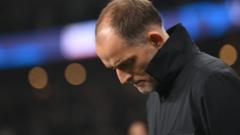


Chelsea manager Enzo Maresca retains board backing despite a challenging start to the season, with key fixtures against Benfica and Liverpool ahead.

Chelsea Board Backs Maresca Despite Indifferent Start
Estimated reading time: 2 min
Chelsea manager Enzo Maresca retains board backing despite a challenging start to the season, with key fixtures against Benfica and Liverpool ahead.
Enzo Maresca, the Chelsea manager, continues to have the full backing of the club’s board despite a less-than-ideal start to the Premier League season. Currently sitting eighth in the table, Chelsea has managed only one victory in their last five matches. However, the club’s hierarchy remains confident in Maresca’s leadership, especially considering his past achievements, including securing a top-four finish and a Club World Cup triumph.
The upcoming week presents significant challenges for Maresca and his team, with a Champions League clash against Benfica, managed by former Chelsea manager Jose Mourinho, and a Premier League fixture against defending champions Liverpool. Despite recent defeats and a disrupted pre-season, the club acknowledges the need for improvement but maintains a long-term perspective, planning to evaluate Maresca’s performance at the season’s end.
While some external narratives have questioned Maresca’s position, internally, there is a sense that the early season criticism is an overreaction. The club aims for a top-four finish and deep cup runs, with the strengthened squad expected to adapt to the additional workload of Champions League commitments.
Key talking points
- Chelsea sits eighth in the Premier League table.
- Enzo Maresca retains the board’s confidence.
- Upcoming fixtures include Benfica and Liverpool.
- Club plans to assess Maresca at season’s end.
- Strengthened squad aims to handle increased workload.
Why it matters
Chelsea’s backing of Maresca highlights the club’s commitment to stability and long-term planning. Despite recent challenges, the board’s confidence in Maresca suggests a focus on achieving sustained success rather than reacting to short-term setbacks. This approach could prove crucial in navigating the demanding schedule posed by domestic and European competitions.