

Ruben Amorim’s future at Manchester United sparks debate as Jim Ratcliffe backs him for three years, despite mixed results. Simon Jordan and Jim White weigh in.
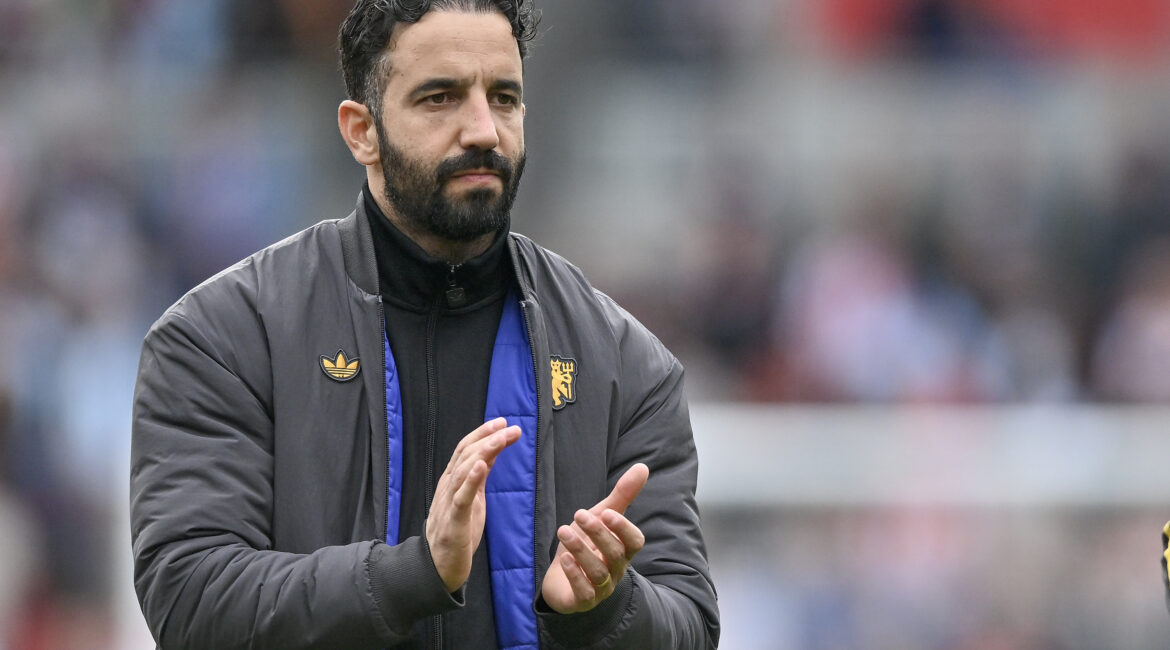
Ruben Amorim's Future at Manchester United: A Heated Debate
Estimated reading time: 2 min
Ruben Amorim's future at Manchester United sparks debate as Jim Ratcliffe backs him for three years, despite mixed results. Simon Jordan and Jim White weigh in.
The debate over Ruben Amorim’s position as Manchester United manager has taken centre stage once again, with contrasting opinions emerging from the talkSPORT studio. Amorim, who recently marked his 50th game in charge with a 2-0 victory against Sunderland, has faced significant scrutiny over his performance, having won just 10 of his 34 league games since his appointment last November.
Despite the mounting criticism, Jim Ratcliffe, a minority shareholder at United, has expressed his support for Amorim, suggesting that the Portuguese manager needs three years to establish himself as a great coach. This backing has sparked a lively debate between talkSPORT colleagues Simon Jordan and Jim White, with Jordan defending the decision to stick by Amorim, while White questioned the rationale behind Ratcliffe’s long-term commitment.
Jordan argued that the ownership’s perspective is crucial, emphasising that if the reasons for Amorim’s appointment align with their vision, then there is no immediate need for change. Meanwhile, White contended that the club’s current standing is not acceptable for a team of Manchester United’s stature, suggesting that the manager should be judged on present results.
Key talking points
- Ruben Amorim has won 10 of 34 league games as Manchester United manager.
- Jim Ratcliffe supports Amorim, advocating for a three-year evaluation period.
- Simon Jordan defends the ownership’s decision to back Amorim.
- Jim White questions whether Amorim’s performance is acceptable for United.
Why it matters
The discussion around Ruben Amorim’s future at Manchester United highlights the ongoing debate regarding managerial stability versus immediate results. With Ratcliffe’s backing, Amorim may have the opportunity to implement his long-term vision, but the pressure to deliver results remains high at a club with United’s history and expectations.
This situation underscores the broader challenge faced by football clubs in balancing the need for patience with the demand for success, a dynamic that continues to shape the Premier League landscape.